


Wound care information
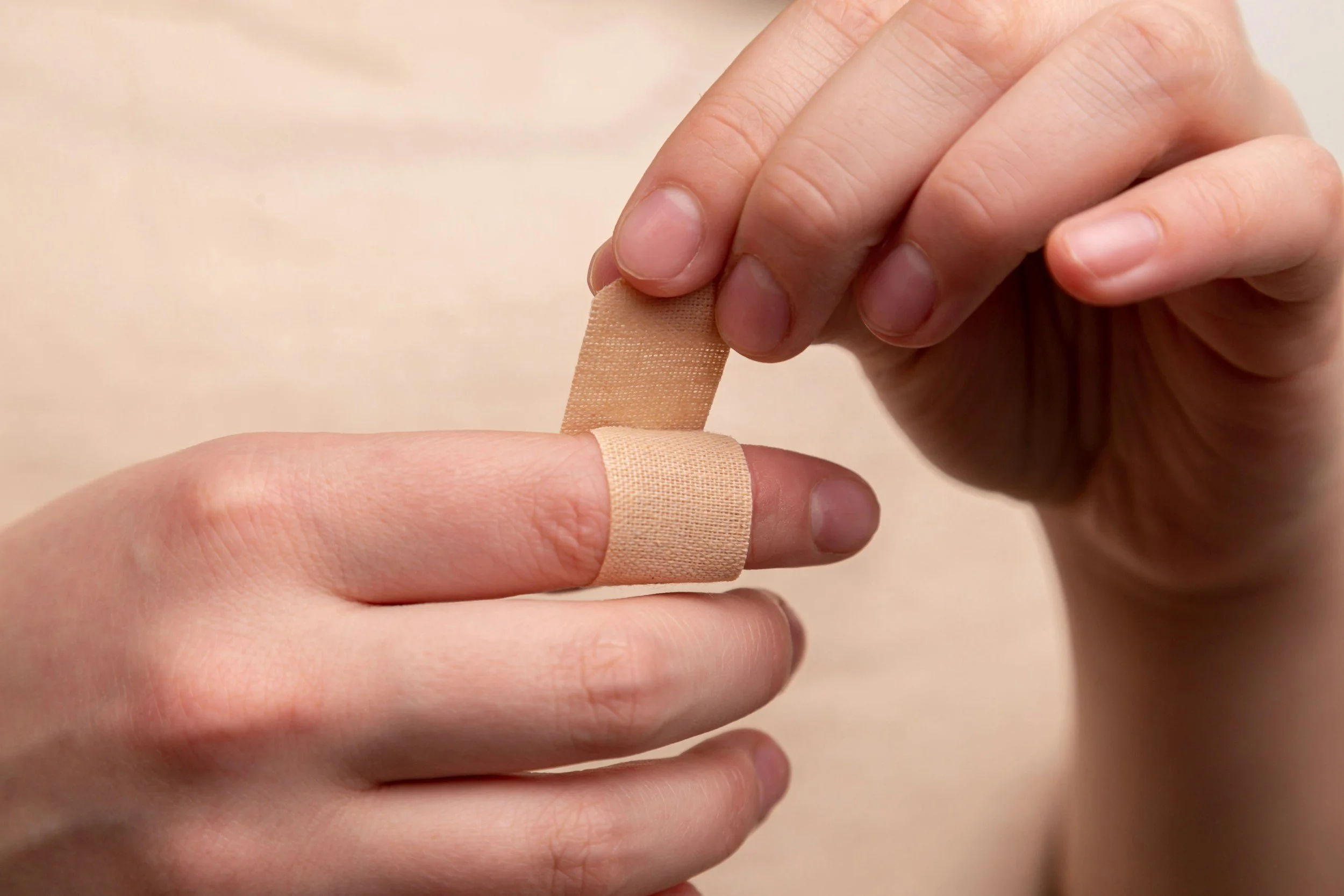
When does a cut need stitches or medical care?
Most small cuts, scratches and grazes can be safely managed at home with simple first aid. However, some wounds need medical care - not always because they need stitches, but because they may need proper assessment, cleaning, dressings, glue or strips, antibiotics, tetanus protection, X-ray, or follow-up wound care.
Shorecare can help with many non-life-threatening cuts, wounds, burns and injuries. If you are unsure whether a wound needs to be seen, it is often better to get advice early, especially if the wound is deep, dirty, painful, or infected.
Call 111 or go to the emergency department now if:
The bleeding is severe or will not stop.
There has been major trauma, or a body part has been partly or fully cut off.
The person is pale, clammy, faint, confused, very drowsy, or seems seriously unwell.
A wound should be checked if:
The bleeding does not stop after firm pressure.
The wound is deep, wide, or gaping.
You can see fat, tendon, muscle, bone, or another deep structure.
The wound is on the face, near the eye, across a joint, on the hand, or on the genitals.
There may be glass, gravel, wood, metal, or another object in the wound.
The wound was caused by a human or animal bite.
The wound is very dirty, contaminated with soil, or happened outdoors.
The wound was caused by a rusty object, puncture, fishhook, nail, or dirty tool.
The person has diabetes, poor circulation, a weakened immune system, or is on medicines that affect healing.
The wound is becoming more painful, red, hot, swollen, or has pus.
There is spreading redness, red streaking, fever, or the person is feeling unwell.
Does every wound need stitches?
No. Some wounds heal well on their own after cleaning and dressing. Others may be treated with skin glue or adhesive strips and may need follow-up wound care. Stitches are only one option.
A wound is more likely to need closure if the edges are gaping, the cut is deep, or the wound is in an area where movement pulls the skin apart.
It is best to come in sooner rather than later. Some wounds become harder to close safely if they are reviewed late, particularly if they are dirty or infected.
Do I need a tetanus injection?
Maybe. Some wounds increase the risk of tetanus, especially dirty wounds, deep wounds, puncture wounds, wounds contaminated with soil, and wounds from outdoor tools or rusty metal.
A clinician can check your tetanus immunisation history and advise whether you need a booster.
What should I do before coming in?
Apply firm pressure with a clean cloth or dressing to stop bleeding.
Rinse the wound gently with clean running water.
Remove loose dirt if it comes away easily.
Keep the injured area raised if possible.
Do not dig around in the wound to remove deeply embedded objects.
Do not remove an object that is firmly stuck in the wound.
How Shorecare can help
Shorecare can assess all wounds, cuts, grazes, and burns. Depending on the wound, care may include cleaning, dressings, glue, stitches, pain relief, antibiotics, tetanus protection, X-ray, referral for specialist care, or follow-up wound care.
If you are unsure whether a wound needs medical care, we are here to provide a full assessment.